

Acting requires the application of various techniques and training if you want to be famous. You might have heard of Chekhov or Stanislavski, but don’t realize what they did for the film industry. This article will be the source you need to know the basic acting techniques and tips on preparing for your next significant acting role.
Know Your Character
 We need to understand our characters on who they are, what they hate, what they like, what they wear, whom they love/like and dislike, and how they talk and move, etc. before applying any kind of acting technique. Think of your character as the most exciting person that you need to know the most. Once you do this, you can visualize the kind of person you need to change into to make the process of acting the part easier.
You should be ready for everything, even if you do not have a clear idea of the character that you are acting. For example, you might have no idea about the political position of your character and the hobby of your character. In these situations, you can complete their characters through your own experiences and ideas. Furthermore, ensure that you share any inputs with the writers and the director before applying them to the scenes.
Learn to Transition to Your Character
You should start transitioning into your character the moment you have learned everything regarding your character. Learn the accent of your character, talk to people in the same dialect, speak the way your character would, and listen to the audio tracks to master your character’s speech. Gestures are also made this way but by watching replay videos as much as possible to capture the right gestures and talk to similar personas to master your character.
Stay in Character
Staying in character might be challenging at this point. Because you are focusing on too many things at once, here are some essential tips to stay in character.
When at the set, remember the emotions and feelings that you are experiencing at that moment. Recollect a familiar situation from your memory as well. You must take note that microexpressions like taste, smell, sight, view, and tactile feelings also matter.
Instead of using recollections from memories to apply it to your character’s situation or problem to your current partner, substitute or replace your current partner with someone in your real life to make the emotions feel more natural. Think of some gestures that would be a perfect fit for your current situation and scene and make sure to capture the critical moment. By doing this, you will teach your body on using this gesture to make your acting more realistic.
The bottom line is to apply the theories you have to learn by continuously attending to classes and even workshops. Keep on transforming, acting, and learning along the way.

 Samuel Adams Utopias is a beer that comes in like an ale and finishes like a fine cognac. It has caramel, port wine, and vanilla flavors with notes of cherry wood, honey, and tobacco. This beer is unique because it’s made from two-row barley malt blended with some sherry yeast. Because its alcohol content is more like a port wine, it’s only sold in 50 ml, and one-ounce pours.
 Old Stock Ale is a strong ale that sits at 11.95% ABV and comes in a 12 oz bottle. It’s been aged for one year, so it has dark fruit notes, caramel, and molasses with subtle hints of spice from the rye malt. Old Stock Ale was first brewed back in 1999, but its label says 2009 because North Coast wanted to say it was a little bit older. This beer is brewed in the United States and if you’re lucky enough to try it, make sure you have someone else drive because there’s no way one person can drink this all on their own!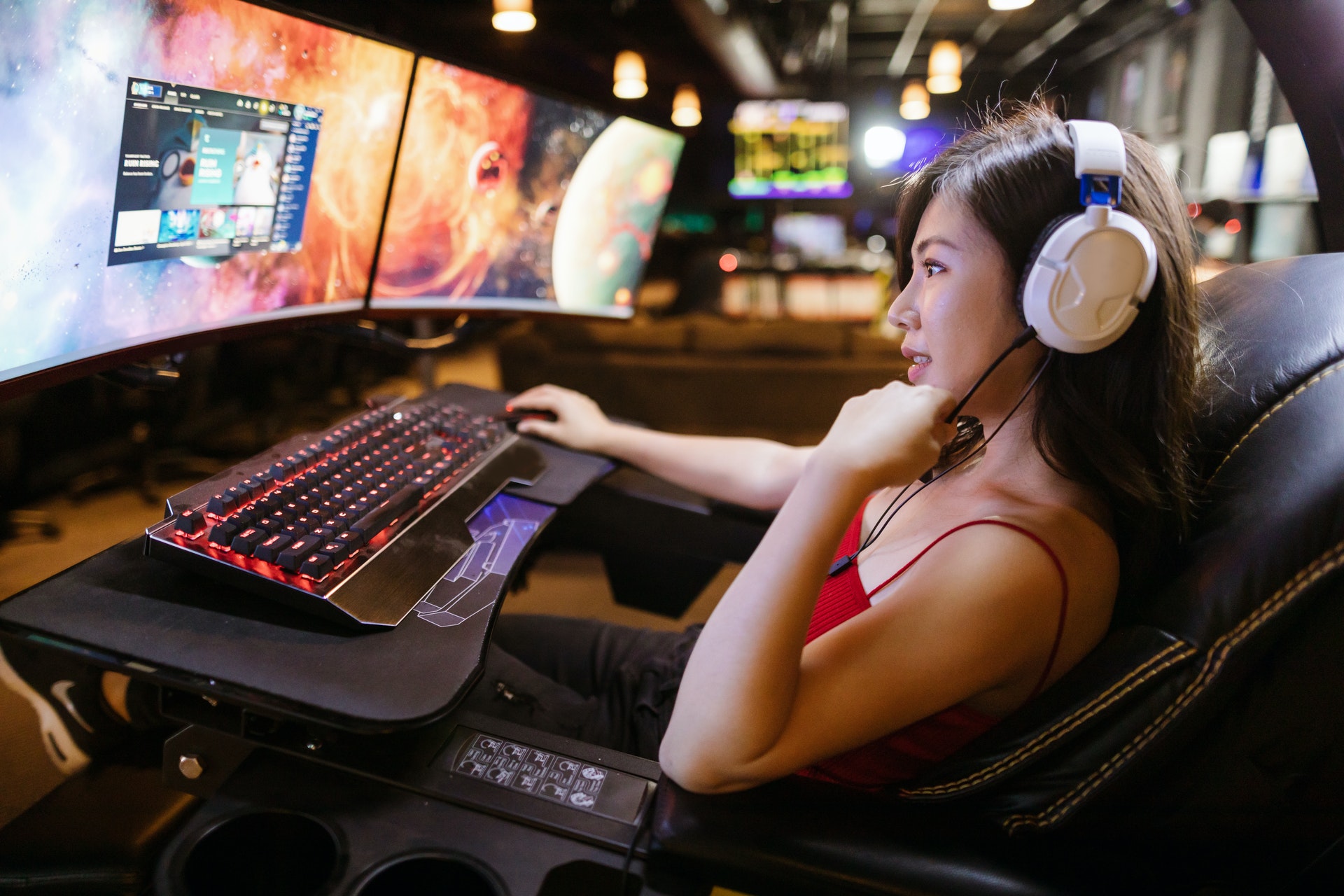
 Playing online games can be a great way to sharpen the brain. Teachers often incorporate online learning games into their lesson plans. Online learning games can be very effective in capturing the attention of students, especially younger ones. It helps them focus on the lesson and the task at hand. Both students and players can enjoy interactive games.
 Many people consider gaming to be an enjoyable form of entertainment. Gaming can also be used to relax after a stressful day at work. Gaming helps players forget their worries and focus on the objective and mechanics of the game. Studies in the past have shown that games can relax people’s minds and moods.
 Online games foster positive relationships and camaraderie between players. It’s the same as when two people share similar tastes in music or hobbies. It is a great way to strengthen personal relationships with family and friends by playing online games together. Online games also encourage cooperation and teamwork among players, highlighting the importance of working towards a common goal.